
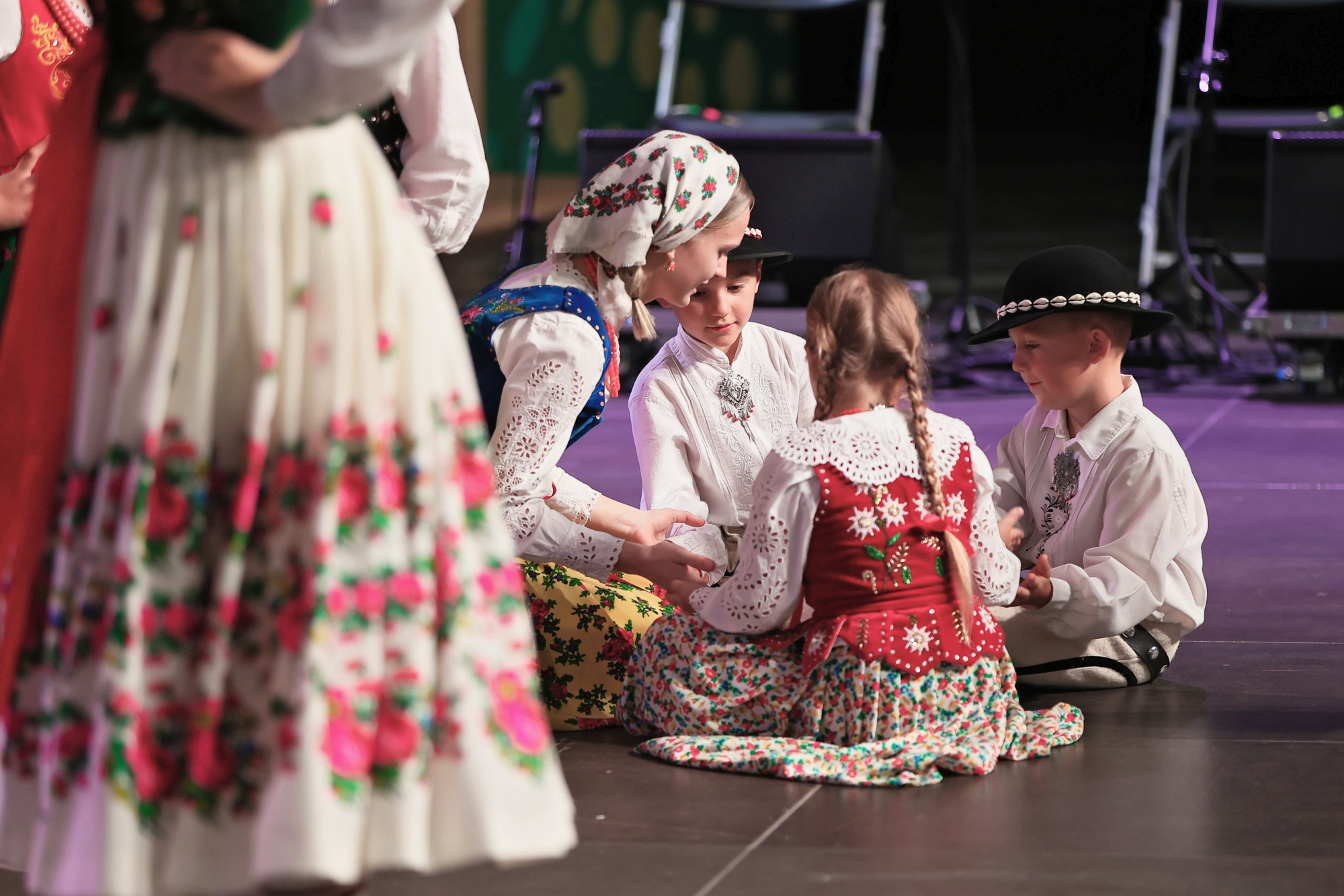
Working with young people is not just about passing on knowledge, but above all about building deep bonds that stay with us forever, even when our pupils move on. We share with you a deeply moving reflection by Kamil Cyganik on the unique role of instructors and educators who open their hearts to children coming into their lives – if only for a moment.
They knock on the door of our lives. “I’m here for just a moment,” they say through the door slightly ajar. With varying degrees of enthusiasm, we throw the door wide open. “Come on in!” we call out. “Make yourself comfortable and make yourself at home…” After some time has passed, we must regrettably admit that we were not lied to. They really appear for just a moment. They. Children.
It’s the hardest on parents. For a long time we can delude ourselves with clichéd platitudes such as: “To me, you’ll always be a child!” Hopefully not! May every parent not miss that evanescent moment when their child becomes a teenager, and then matures into adulthood. Actually stepping over the threshold of our home will simply be a consequence of that. Long before they move out to build a life of their own, the child within them will have left.
It is easier for teachers, educators and instructors of children’s folk ensembles. We quickly come to terms with the fact that this is just the way things are: children appear for just a moment. They develop, take as much from us as they can – or rather, as much as we’re willing to give – and then they leave. They are gone in a blink of an eye. Their absence – unlike in their parents’ reality – does not leave a void. Some new ones... others come. They too appear for just a moment.
It’s easier, which doesn’t mean it’s easy, if…
If a teacher or instructor is not merely some technician following a curriculum, they will forge bonds with their pupils. We don’t work with pieces of wood, we don’t work with words, we don’t produce or sell anything. Every day we meet real people who – strange as it may sound – are the material of our work. Of course, our task is to teach, or at least to create a space and opportunities for learning, but at the other end of this process stands a young person, not yet fully formed, very impressionable and receptive. That’s a great responsibility.
After all, it does make a difference to the results of our work whether participants attend the lessons reluctantly or enthusiastically. It sounds a bit like a truism, but if we were to say that this reluctance or enthusiasm depends largely on how much the pupil likes their teacher or instructor, would it still be so obvious? Do all of us really realise that we were more keen to learn, and we internalised more from lessons taught by the teachers we liked, or at least respected?
This year, I would like to take this opportunity to pay special tribute and express my particular gratitude to all the Instructors. If you take your work seriously, if you want the children to absorb the very best from you during that brief moment when you have an influence on them, then in the process you will - to a greater or lesser extent - grow attached to them; in other words, as the Fox teaches the Little Prince, you will forge bonds, and this carries the risk of tears when the time comes to part. And it doesn’t help much to know that there will appear others. Along with them comes the risk of more tears.
I take my hat off to you, dear Instructors, for all your hard work. I appreciate the wealth of your cultures, which you are keen and able to share with the children in your care; I have the utmost respect for your teaching skills; but above all, I feel a great sense of sympathy for the evanescent moments, and - with them - for the evanescent children who pass through your care: all the children who appear for just a moment.
It’s the hardest on parents. For a long time we can delude ourselves with clichéd platitudes such as: “To me, you’ll always be a child!” Hopefully not! May every parent not miss that evanescent moment when their child becomes a teenager, and then matures into adulthood. Actually stepping over the threshold of our home will simply be a consequence of that. Long before they move out to build a life of their own, the child within them will have left.
It is easier for teachers, educators and instructors of children’s folk ensembles. We quickly come to terms with the fact that this is just the way things are: children appear for just a moment. They develop, take as much from us as they can – or rather, as much as we’re willing to give – and then they leave. They are gone in a blink of an eye. Their absence – unlike in their parents’ reality – does not leave a void. Some new ones... others come. They too appear for just a moment.
It’s easier, which doesn’t mean it’s easy, if…
If a teacher or instructor is not merely some technician following a curriculum, they will forge bonds with their pupils. We don’t work with pieces of wood, we don’t work with words, we don’t produce or sell anything. Every day we meet real people who – strange as it may sound – are the material of our work. Of course, our task is to teach, or at least to create a space and opportunities for learning, but at the other end of this process stands a young person, not yet fully formed, very impressionable and receptive. That’s a great responsibility.
After all, it does make a difference to the results of our work whether participants attend the lessons reluctantly or enthusiastically. It sounds a bit like a truism, but if we were to say that this reluctance or enthusiasm depends largely on how much the pupil likes their teacher or instructor, would it still be so obvious? Do all of us really realise that we were more keen to learn, and we internalised more from lessons taught by the teachers we liked, or at least respected?
This year, I would like to take this opportunity to pay special tribute and express my particular gratitude to all the Instructors. If you take your work seriously, if you want the children to absorb the very best from you during that brief moment when you have an influence on them, then in the process you will - to a greater or lesser extent - grow attached to them; in other words, as the Fox teaches the Little Prince, you will forge bonds, and this carries the risk of tears when the time comes to part. And it doesn’t help much to know that there will appear others. Along with them comes the risk of more tears.
I take my hat off to you, dear Instructors, for all your hard work. I appreciate the wealth of your cultures, which you are keen and able to share with the children in your care; I have the utmost respect for your teaching skills; but above all, I feel a great sense of sympathy for the evanescent moments, and - with them - for the evanescent children who pass through your care: all the children who appear for just a moment.
Teacher and form tutor
Kamil Cyganik